 Austin: (512) 881-9790
 Directions


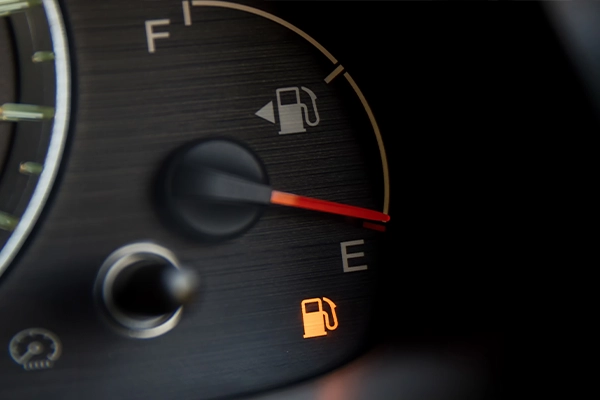
If you’ve noticed your fuel gauge dropping abnormally fast, it can be worrying knowing that your vehicle isn’t running as efficiently as it could be and that your fuel stops are becoming more and more frequent. If you drive your vehicle frequently, even a small drop in fuel economy can cause your gas costs to build up over time.
In this article, we’ll cover the most common causes behind decreasing fuel mileage, how these issues occur, and what you can do to prevent MPG drops in the future.
Common Causes of Low MPG
Low Tire Pressure
One of the most frequently seen causes of dropping fuel economy is also a very simple fix: low tire pressure. Over time, the seals of your tire can wear down and allow air pressure to escape from the tire.
When a tire is lacking air pressure, it will flex against the road surface and cause increased rolling resistance, which causes your powertrain to work much harder to keep your vehicle at driving speeds.
Luckily, this issue is very simple to fix with a quick stop at a gas station air pump. Simply fill your tires back up to the manufacturer’s recommended PSI and enjoy the returned fuel efficiency.
If your tire has a leak that causes rapid deflation, you should have it replaced when possible to prevent MPG decreases as well as drivability issues.
MAF Sensor Malfunction
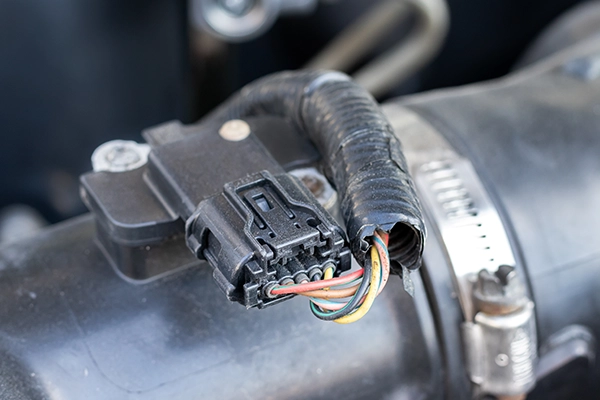
The mass-airflow sensor, or MAF, is a sensor that sits right behind your vehicle’s airbox, continually tracking the volume of air entering the engine.
When this sensor experiences electrical malfunctions or physical damage/contamination that prevents it from getting an accurate reading of airflow, it will disrupt the ECU’s air-fuel ratio calculations. An improper air-fuel ratio, particularly one that causes a “rich condition”, or an excess of fuel being introduced to the combustion chamber, will cause the engine to consume fuel at a much higher rate. Much of this excess fuel will remain unburnt and is pushed into the exhaust system, where it can lead to increased exhaust gas odors and potential damage to the catalytic converter.
Spark Plug Issues
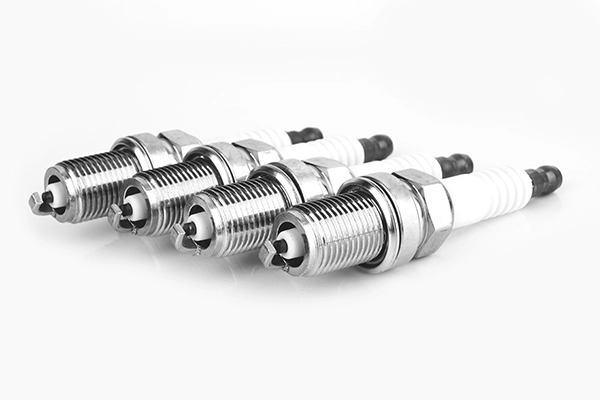
When spark plugs wear down or become clogged due to contamination, it may prevent them from producing the necessary spark to ignite the air-fuel mix. A condition where one or more cylinders will not fire is known as a misfire, and can cause a host of performance and efficiency issues in your engine.
Misfires may also lead to catalytic converter failure, along with potential for other internal failures if left to linger. Misfires are often accompanied by a flashing check engine light on the dashboard warning you of the serious issue.
Clogged/Failing Injectors
Similar to spark plugs, fuel injectors need to fire continuously into every cylinder to keep the engine running as it should. When an injector becomes clogged due to contamination or fails due to old age, it will lead to a similar misfire issue as well.
Steps You Can Take To Protect Your MPG
Beyond keeping up to date on maintenance with the components mentioned above, there are some steps you can take to maximize your vehicle’s efficiency even as old age and natural wear make your engine less efficient over time.
- Remove drag-producing exterior accessories such as cargo boxes or roof racks
- Practice efficient driving techniques and avoid driving with a heavy foot
- Stay consistent on oil changes to prevent increased friction in the powertrain
- Check your vehicle’s tire pressure regularly
Powertrain & Fuel System Services in Austin, TX
If you’re noticing a drop in your vehicle’s fuel economy, or suspect you’re in need of maintenance on a related system, don’t hesitate to reach out to the experts at Edgestone Automotive in Austin, TX. Our team has extensive experience in providing precision powertrain and fuel system diagnostics on a wide range of makes and models.
Give us a call or schedule online today to secure your appointment with Austin’s premier vehicle care and repair facility!