 Austin: (512) 881-9790
 Directions


You may have heard the terms’ strut” and “shock” used interchangeably and asked yourself, “Are shocks and struts the same thing?” It’s essential to note that they are distinct components. In this article, we’ll go over the differences between the two parts and their functions.
What Are Struts?
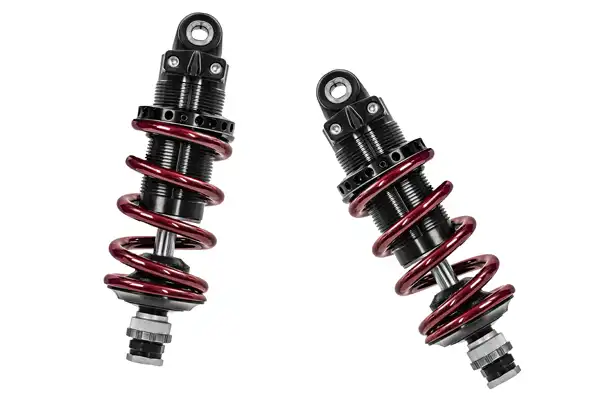
Struts are a structural part of your vehicle’s suspension system. They are commonly used on front-wheel-drive vehicles, and are also used on rear-wheel-drive vehicles. Struts help dampen the movements of coil springs, which are used to support a vehicle’s weight, keeping it handling properly over bumps, hills, and other obstacles.
What Are Shocks?
Shocks, also known as shock absorbers, are the parts that help control the movement and impact of the springs and suspension on a vehicle. They also ensure your tires remain in contact with the road’s surface. Shocks function/control the springs and suspension by turning kinetic energy into thermal energy that’s dispersed through hydraulic fluid. The faster a suspension moves, the more resistance a shock absorber has. The effects include a reduced rate of bouncing on the road, swaying, and brake diving.
Struts vs Shocks
Struts and shocks are understandably associated with each other due to their similar roles of softening the movement of the suspending components to maintain control of the vehicle. Struts are a structural part of the vehicle’s suspension, while shocks are not. Many vehicles have shocks on one axle and struts on the other, depending on the type of suspension present. While this is the case, not all vehicles have struts and may use separate springs and shocks instead.
Shocks Functions:
- Helping alleviate jarring and bouncing
- Maintaining tire contact with the road.
- Minimizing dive and squat during acceleration, braking, and cornering.
- Absorbing energy from road impacts
- Reading stress on other suspension components, tires, and the vehicle frame.
Struts Functions:
- Providing structural support to the suspension system, including supporting the weight of the vehicle and connecting the wheel to the car’s body.
- Dampening and absorbing energy from bumps or irregularities in the road.
- Maintaining vehicle alignment and ensuring optimal tire contact
- Reducing body roll during turns.
When Should I Replace My Shocks or Struts?
You should typically replace either your shocks or struts every 50,000 to 100,000 miles. This can vary based on several factors. These components will wear down over time, so you may not notice any issues right away. However, there are some things you can be on the lookout for.
Increased Bumpiness
The primary job of shocks and struts is to improve handling. If you notice that your car feels bumpier or shakier on the road, it’s a good idea to have these components looked at sooner rather than later.
Brake Issues
Damaged struts and shocks can cause issues with other parts of your vehicle. Brake diving can feel like your car is stumbling forward when you step on the brake pedal, which can be a sign of wear and tear.
Tire Wear
It’s always important to check your tires often. It could even point out a problem with your shocks or struts. Suspension damage can cause cups or scalloped dips in the tire treads. If your vehicle’s suspension isn’t working properly, your tire may struggle to maintain the intended force against the road surface, leading to uneven tire wear or cupping.
Leaks
Fluid leaking on the outside of your shocks or struts is another sign that something may be wrong. A lack of fluid will prevent them from absorbing impacts and bumps.
Suspension Repair In Austin, TX
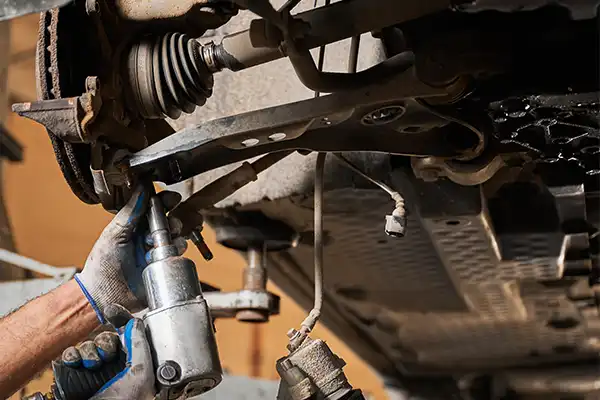
Maintaining your vehicle’s suspension system is vital for the safety of you and your passengers. That’s why it’s essential to have your system inspected by a trusted repair facility, as proper training and equipment are necessary to service these complex systems correctly and efficiently. Luckily, the steering and suspension experts at Edgestone Automotive in Austin, TX, have years of experience working on a variety of suspension systems on all makes and models. No matter the issue you’re experiencing, don’t let it continue to worsen. Trust your vehicle to the friendly and experienced team that understands modern suspension systems at Edgestone Automotive. Call or schedule online with us today!